Ultimate Guide to Laguna Beach Snorkeling and Marine Life
Aug 20, 2026
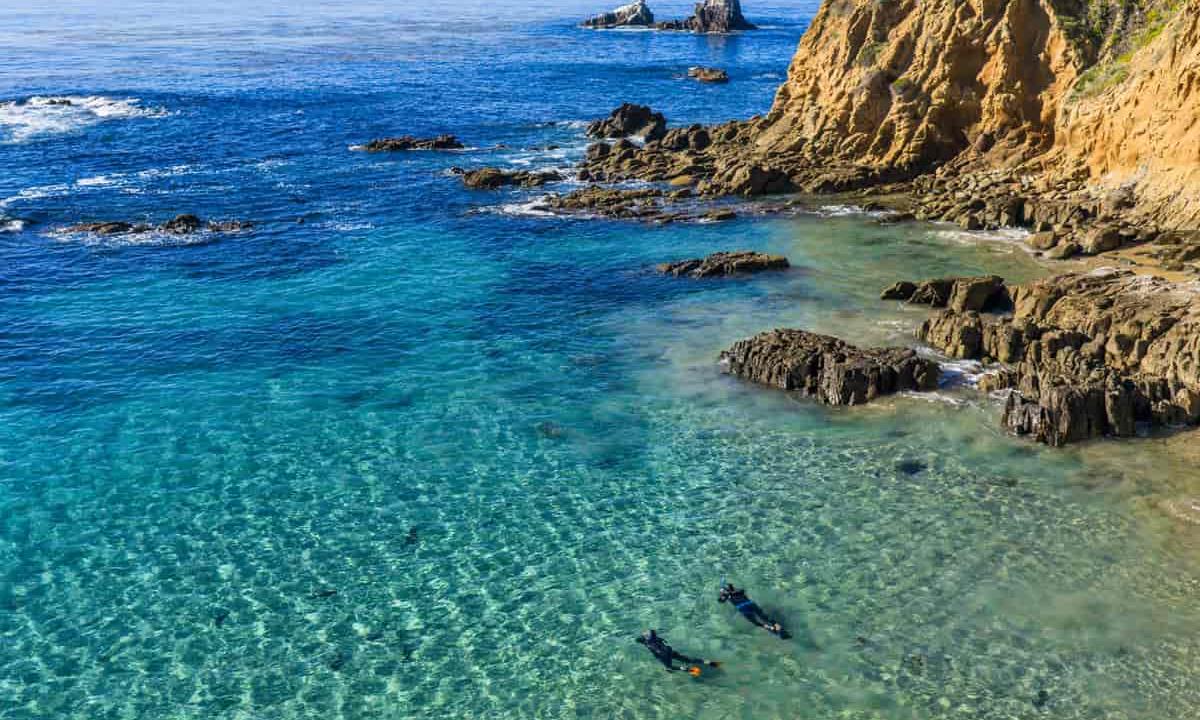
Laguna Beach is one of Southern California’s most rewarding places to snorkel thanks to its protected coves, thriving kelp forests, and easy shoreline access. The city’s coastline is almost entirely within a Marine Protected Area, which supports rich marine life and clearer water, especially in late fall and winter when visibility often reaches 20 to 30 feet. Beginners and families can find calm, shallow entries, while experienced snorkelers can explore deeper kelp beds and rocky reefs.
This guide pairs on-the-ground know-how with credible sources so you can plan with confidence. You will find the best spots by skill level, seasonal timing tips, what to bring, and how local MPA rules enhance both biodiversity and your experience. We also include conservation practices that keep these coves pristine, a short FAQ for quick answers, and information on guided snorkeling tours for those who want expert-led experiences.
Key Takeaways
-
Laguna Beach protects over 7.41 square nautical miles of coastal habitat, creating exceptional snorkeling conditions within its MPAs (California Dept. of Fish and Wildlife).
-
Winter visibility often peaks at 20 to 30 feet, and water temps can dip to 56-59°F, so bring a warm wetsuit in colder months (Laguna Bluebelt).
-
Top spots include Shaw’s Cove, Crescent Bay, Treasure Island Beach, and Fisherman’s Cove, each with easy access and abundant marine life (Tropical Snorkeling, Sydney to Anywhere).
-
Guided snorkeling tours, such as those offered by the Ocean Institute, provide a structured and educational way to explore local marine life and learn about conservation (Ocean Institute).
Why Laguna Beach is a Top Snorkeling Destination
Laguna’s coastline is a mosaic of pocket coves, rocky points, and submerged reefs. Unlike long, flat beaches nearby, these rocky outcrops shape calm inner coves that are perfect for snorkeling. You can choose from up to 30 named beaches and secluded coves across the city’s shoreline (California’s Best Beaches).
Protection is the game changer. Since 2012, Laguna Beach’s waters have been designated as Marine Protected Areas, safeguarding over 7.41 square nautical miles of coastal habitat and boosting biodiversity and fish abundance for visitors to see (CDFW Marine).
At the heart of this network is the State Marine Reserve. The SMR spans 6.72 square miles and reaches depths of roughly 1,231 feet. It prohibits any take of living, geological, or cultural resources. This allows kelp forests and reef species to rebound (California Dept. of Fish and Wildlife).
What makes Laguna different for snorkelers
Rocky headlands create natural wind and swell breaks that calm many coves. Paired with no-take protections, this setting supports thick kelp, schooling fish, and charismatic species like garibaldi and bat rays. The result is a wild, accessible underwater landscape that feels close to shore yet far from routine.
Expert perspective
Rich German, founder of Project O and a passionate advocate for marine conservation in Laguna Beach, captures the spirit of local snorkeling: "Laguna’s protected waters are a sanctuary for marine life and a gift for everyone who visits. When you snorkel here, you’re experiencing one of the healthiest and most vibrant underwater ecosystems in California. It’s a reminder of why these protections matter and how each of us can help keep the ocean thriving" (Project O).
Best Places to Snorkel in Laguna Beach
Quick answer: Shaw’s Cove, Crescent Bay, Treasure Island Beach, and Fisherman’s Cove. These spots balance easy entries, rich marine life, and reliable conditions for most visitors.
-
Shaw’s Cove, the local snorkeling hub, offers stair access near Fairview Street and is sheltered from heavy surf, which suits beginners (Sydney to Anywhere).
-
Crescent Bay features large kelp beds and Seal Rock, with access from Cliff Drive. It can have stronger surge on windy days, so check conditions before you go (Sydney to Anywhere).
-
Treasure Island Beach, below the Montage, has two shallow finger reefs that extend about 50 yards offshore and broad, paved access paths, making it excellent for families (Tropical Snorkeling).
-
Fisherman’s Cove is a compact, protected pocket cove that families favor for calmer water and easy tidepool viewing nearby (Wanderlog).
Access, facilities, and parking tips
Many northern coves rely on limited residential street parking that fills quickly. Expect constraints and consider the free Laguna Beach Transit trolley along Pacific Coast Highway to reduce parking stress (Laguna Liz). Treasure Island and Heisler Park offer public restrooms and freshwater showers, which simplifies family outings (Tropical Snorkeling).
Essential Snorkeling Safety and Preparation Tips
Check conditions first. Swell, wind, and tide can change visibility and safety quickly. A useful rule of thumb from local snorkelers: if surfers are actively riding sizable waves, conditions are likely too rough; if paddleboarders are gliding calmly, it is likely manageable for snorkeling (Reddit r/orangecounty).
Dress for the Pacific. Late fall and winter water temperatures often drop to 56-59°F, so a warm full wetsuit, plus hood and booties for cold-sensitive swimmers, is smart planning (Laguna Bluebelt). In summer, you may be comfortable in a lighter suit, but always bring fins for control in surge.
Simple pre-dive checklist
-
Never snorkel alone, and swim parallel to shore until you assess conditions.
-
Check tides and aim for calmer windows. Some locals favor mid-day and high tide for clearer water and closer reef life (Reddit r/orangecounty).
-
Pack a mask, snorkel, fins, warm wetsuit, and a reusable water bottle. Choose reef-safe sunscreen to reduce chemical stress on marine life.
-
Swim near lifeguarded beaches when possible, and exit early if wind or swell increases.
Guided snorkeling tours
If you prefer an organized and educational snorkeling experience, consider joining a guided snorkel tour offered by the Ocean Institute. These tours are led by marine educators and provide snorkelers of all skill levels with equipment, safety instruction, and insights into the local marine ecosystem. Guided tours are a great way to see the best of Laguna Beach's underwater world while learning about conservation and marine life from experts. Check the Ocean Institute's schedule for upcoming tours and booking details (Ocean Institute).
Spotlight: Laguna Beach Marine Life
Laguna’s kelp forests function like living underwater cathedrals, with towering fronds that can grow up to two feet per day in peak seasons (Facebook video on kelp forests). Look for bright orange garibaldi weaving through the rocks, kelp bass hovering near structure, and opaleye grazing along reef edges. California sheephead help keep sea urchins in check, which protects kelp habitats and improves overall reef health (LAist).
In late fall and early winter, calm “Lake Laguna” days can reveal 20 to 30 feet of visibility and seasonal wildlife highlights. Leopard sharks often gather in shallow water, sometimes in just 15 feet, along with bat rays resting on sandy patches (Laguna Bluebelt).
Photography and wildlife etiquette
Keep a respectful distance, do not chase or corral animals, and let them approach you. Avoid flash in low light to reduce stress. Kelp forests photograph beautifully from slightly below and looking up, where sunlight filters through the canopy like stained glass.
Snorkeling for Families: Tips and Easy Spots
Families thrive in sheltered coves with gentle entries and nearby amenities. Treasure Island Beach delivers both, with shallow finger reefs perfect for first looks at garibaldi and anemones, plus paved paths, restrooms, and rinse showers on the bluff (Tropical Snorkeling). Fisherman’s Cove is small, protected, and favored for calm water and easy tidepooling when conditions are low and clear (Wanderlog).
Kid-friendly safety gear
-
Bright rash guards increase visibility and help with warmth.
-
Well-fitting masks reduce leaks and frustration, which builds confidence.
-
Short, flexible fins give children control without tiring them out.
-
Always stay within arm’s reach of young or new swimmers.
When is the Best Time to Snorkel in Laguna Beach?
Counter to popular belief, late fall through early winter often delivers the best visibility, frequently 20 to 30 feet, during calm “Lake Laguna” days (Laguna Bluebelt). Summer can bring larger southern swells that stir sand and reduce clarity to 5 to 10 feet, so plan accordingly (Laguna Bluebelt).
Time of day matters. Many locals prefer 10:30 am to 2:00 pm, ideally near high tide, when fish come in closer and wind is often lighter (Reddit r/orangecounty). Winter water is colder, so bring thicker suits, but the calm, glassy ocean can be spectacular.
Seasonal highlights
Winter can bring leopard shark and bat ray aggregations in shallow water, a rare chance for easy wildlife viewing (Laguna Bluebelt). Spring’s low tides can offer excellent tidepooling. Summer and early fall often bring warmer water for longer swims.
Laguna Beach Snorkeling: Rules, Etiquette, and Conservation
Laguna’s MPAs are strictly protected. In the State Marine Reserve, it is unlawful to remove or harm any living, geological, or cultural resource (California Dept. of Fish and Wildlife). The Laguna Ocean Foundation’s Good Tidepooler rules reinforce a zero-extraction ethic, which includes leaving even empty shells in place
(Laguna Ocean Foundation).
Small choices add up. Reducing marine debris by 50 percent at Orange County beaches could generate $67 million in economic benefits in a single summer. Investments in coastal restoration also pay off, with returns estimated at more than $15 in net benefits for every dollar invested (Center for American Progress).
Low-impact snorkeling checklist
-
Do not touch or take wildlife, rocks, or shells inside MPAs (Laguna Ocean Foundation).
-
Step only on bare, dry rock when tidepooling to avoid crushing organisms hidden in algae or surfgrass (Laguna Ocean Foundation).
-
Never pry animals from rocks or turn rocks over, which can be lethal to tidepool life (Laguna Ocean Foundation).
Plan Your Visit: What to Bring and Local Resources
Parking near cove stairways is limited. To reduce friction, use the free Laguna Beach Transit trolley along Pacific Coast Highway when in season and available (Laguna Liz). Several dive shops along the Coast Highway offer rental packages, often including wetsuits, masks, fins, and booties (Reddit r/orangecounty).
For real-time visibility, local community groups frequently share conditions and recent photos. Check tide charts and surf forecasts before you go. If you prefer a seamless stay, consider booking nearby accommodations and exploring guided experiences for stress-free beach access and gear planning. The Ocean Institute's guided snorkel tours are a popular option for those looking for an organized, educational outing with equipment provided and expert instruction (Ocean Institute).
Checklist
-
Mask, snorkel, fins, and a well-fitted wetsuit
-
Reef-safe sunscreen and a wide-brim hat for surface intervals
-
Reusable water bottle and packable towel
-
ID and payment method for rentals
-
Dry bag for phone, keys, and a compact first-aid kit
Glossary: Quick Definitions of Marine Terms
- Kelp forest: A submerged forest formed by giant kelp that creates habitat for fish, invertebrates, and marine mammals.
- Surge: Back-and-forth water movement caused by waves; strongest near shallow reefs and rocks.
- Visibility: How far you can clearly see underwater; improves when wind and swell are low and sand is settled.
- MPA: Marine Protected Area, a designated zone where human activity is more strictly managed to conserve ecosystems.
- SMR/SMCA: State Marine Reserve is full no-take. State Marine Conservation Area allows limited, permitted activities.
Conclusion
Laguna Beach rewards curious snorkelers with a rare mix of protected reefs, accessible coves, and seasonal wildlife spectacles. The MPA network safeguards this coastline, which means your best experience comes from traveling gently, knowing local rules, and choosing the right cove for your skill level. Winter’s calm “Lake Laguna” days can reveal remarkable clarity, while family-friendly reefs like Treasure Island offer year-round joy.
Plan with tides and swell, rent what you need along Coast Highway, and consider a canyon-to-coast stay in Laguna for unrushed mornings by the water. For those seeking expert guidance, the Ocean Institute's guided snorkel tours are an excellent way to explore and learn. When you are ready, we will welcome you to slow down, breathe in the sea air, and meet the kelp forest on its own calm terms.
Frequently Asked Questions
Shaw’s Cove, Crescent Bay, Treasure Island Beach, and Fisherman’s Cove are reliable favorites for easy access and rich marine life (Sydney to Anywhere, Tropical Snorkeling).
Late fall through early winter often brings 20 to 30 feet of visibility during calm “Lake Laguna” conditions (Laguna Bluebelt).
In winter, water temperatures can be 56-59°F, so a full suit plus hood and booties is recommended for comfort (Laguna Bluebelt).
Inside the State Marine Reserve, all take is prohibited, including empty shells, rocks, and all marine life (California Dept. of Fish and Wildlife, Laguna Ocean Foundation).
Victoria Beach is famous for its 1926 Pirate Tower, but Twin Points is often considered the most secluded-feeling spot, with a natural soaking pool at low tide (Live Like it’s the Weekend, Jason Daniel Shaw).
Use reef-safe sunscreen, pack out all trash, never touch tidepool animals, and step only on bare, dry rock to protect fragile life (Laguna Ocean Foundation).
Yes. The Ocean Institute offers guided snorkel tours led by marine educators, providing equipment, safety instruction, and insights into local marine life and conservation (Ocean Institute).
Latest Articles
Laguna Beach, Experiences, California Guides
Ultimate Guide to Laguna Beach Snorkeling and Marine Life
Laguna Beach is one of Southern California’s most rewarding places to snorkel thanks to its protected coves, thriving kelp forests, and easy shoreline access.

Experiences California Guides
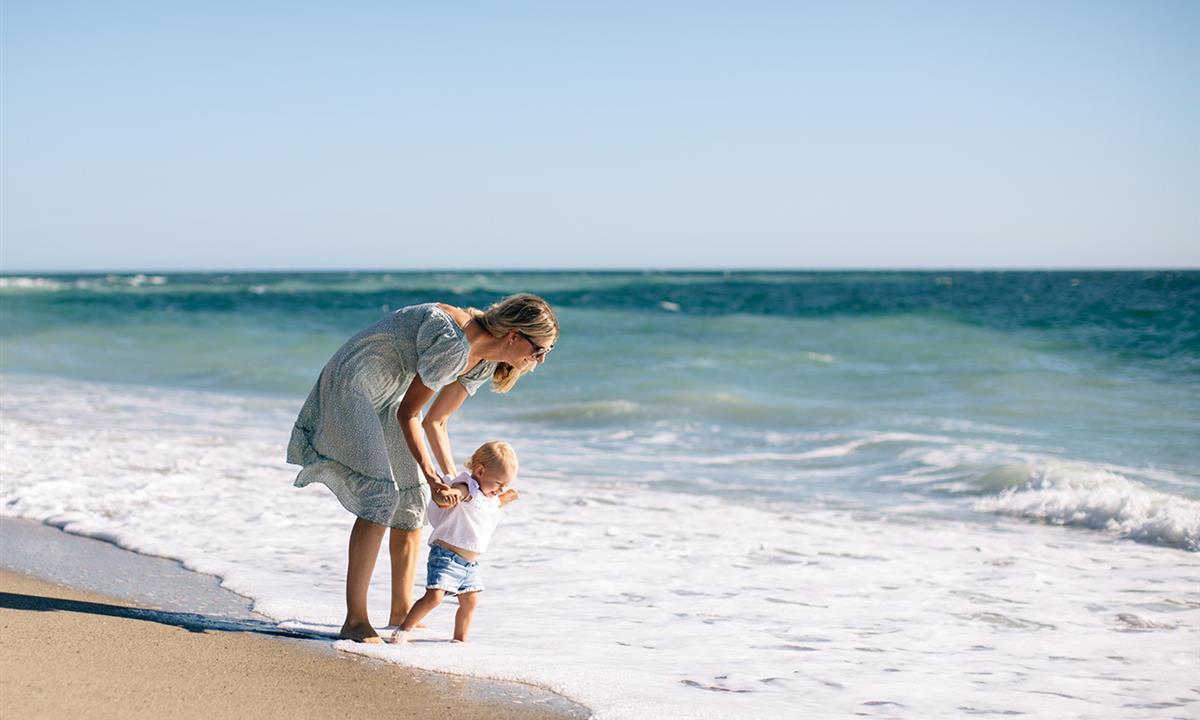
15 Best Weekend Getaways from Los Angeles in 2026
The best weekend getaways from Los Angeles range from Laguna Beach and Catalina Island to Palm Springs, Ojai, Temecula Valley and Big Bear Lake.
Laguna Beach, Experiences, California Guides
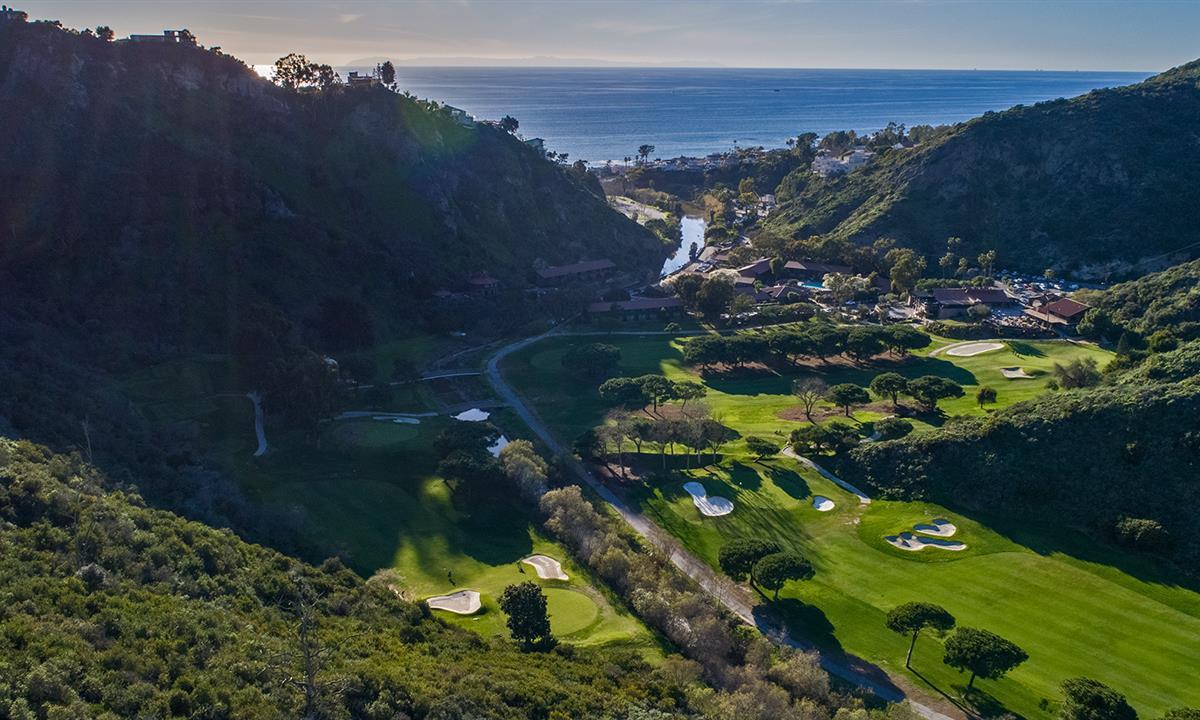
Laguna Beach 2026 Guide: Beaches, Neighborhoods, Where to Stay
Laguna Beach brings together more than 30 coves and beaches, seven miles of protected coastline and 22,000 acres of protected wilderness in one compact stretch of Southern California. Its landscape is only part of the story.
Laguna Beach, Resort Information
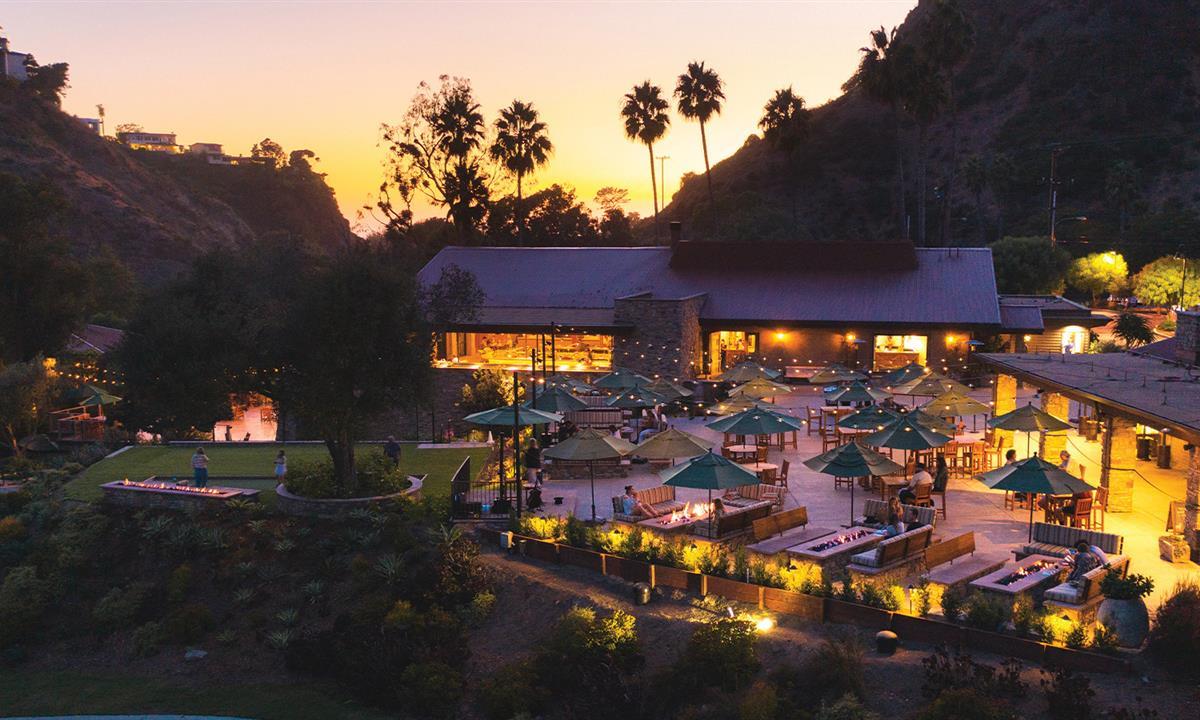
The Ultimate Guide to The Canyon Luxury Retreat at The Ranch at Laguna Beach
The Ranch at Laguna Beach blends secluded luxury, soulful hospitality, and measurable sustainability inside an 87-acre oasis where the coast meets the canyon.
Laguna Beach, Resort Information
Discover Quiet Luxury at The Ranch at Laguna Beach
Quiet luxury defined by nature and immersive experiences that foster connection are what people continue to crave.
Laguna Beach, Resort Information
Transparent Luxury at The Ranch Laguna Beach: 2026 Guide
Transparent luxury at The Ranch at Laguna Beach means clear, upfront pricing with no hidden fees, paired with regenerative experiences that leave you feeling connection & renewed.